Catalyzing Philanthropic Action in Heat and Health Adaptation
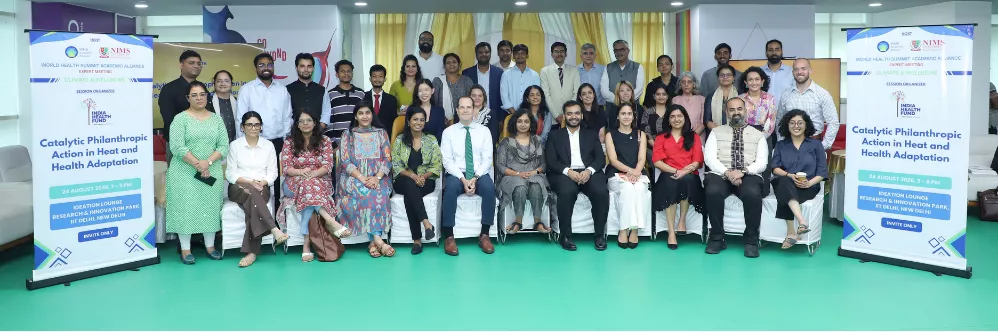
India Health Fund (IHF) organized a convening on ‘Catalyzing Philanthropic Action on Heat and Health Adaptation’ on
- August 24, 2026
- Indian Institute of Technology Delhi (IIT-D)
The convening brought together funders, innovators, researchers and ecosystem leaders to explore how philanthropy can catalyze action across the heat-health adaptation pathway from evidence generation and innovation to validation, government integration and scale.
Dr. Soumya Swaminathan,
Chairperson, M S Swaminathan
Research Foundation (MSSRF),
set the stage by giving the keynote address emphasising that heat-health risk is multidimensional and must be recognised as a health systems priority. She highlighted the importance of translating climate intelligence into timely health action and strengthening health systems to withstand heat-related risks. She also stressed the need for equitable protection of vulnerable communities, placing health outcomes and resilience at the centre of heat adaptation.
Building on this framing,
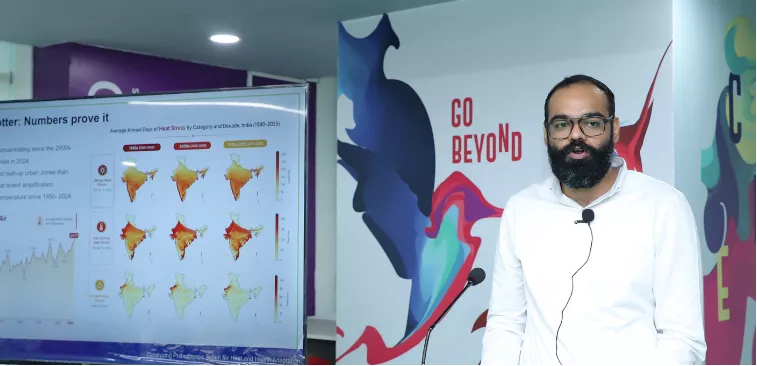
Dr. Saurabh Mamtani,
Manager, Portfolio, IHF,
shared key highlights from the report, ‘Heat and Health Adaptation at Scale:
Evidence on Gaps, Innovations and Investment Opportunities from India ’ which was subsequently launched during the convening. The session then explored where the greatest needs and opportunities for innovation and where organisations saw the strongest opportunity to deploy capital over the next three years. Cooling solutions and digital intelligence emerged as the top priorities, while behavioural solutions and evidence generation ranked lower. ‘Capital’ was rarely identified as a constraint; instead, participants pointed to fragmentation, siloed approaches, weak measurement and limited coordination, underscoring the need for shared outcomes. Health system strengthening was the only area where perceived need and investment appetite aligned and overall, the discussion highlighted the need for a shared outcomes framework and greater coordination across stakeholders.
Innovators showcased diverse approaches across the heat-health ecosystem.
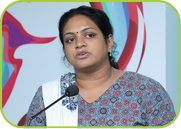
Dr. Aarthy Ramasamy,
MSSRF,
shared research on the impact of climate change on women and children across agroecological zones

Dr. Ritu Parchure,
Prayas Health Group,
spoke about understanding the lived experiences of vulnerable communities and translating awareness into health preparedness

Gaurav Godhwani,
CivicDataLab,
presented work on integrating climate and health intelligence to support heat-ready care delivery

Pranav Savanur,
Khushi Baby,
showcased the AI-based Climate and Health Vulnerability Index (CHVI) for proactive public health action

Tiffany Yeh,
Eztia Materials,
presented power-free cooling solutions for outdoor workers and vulnerable populations
Panel Discussion: Philanthropy as a Catalyst for Scale
A diverse panel of funders, innovators and ecosystem leaders comprising Madhavika Bajoria (ACT Grants); Guru Rajesh Jammy (World Bank), Usha Viswanathen (Temasek Foundation); and Pranav Savanur (Khushi Baby), moderated by Raghavendra Rao PV (India Health Fund), discussed gaps in financing, barriers to scale and the role of philanthropy in accelerating heat-health action. The key outcome was that ‘philanthropy needs to adopt flexible, early-stage and collaborative funding approaches that enable innovators to move beyond isolated pilots, engage government and other stakeholders early, and translate evidence into scalable health solutions. Innovators, too, need to collaborate across sectors and systems to bring the right partners together and accelerate solutions. Flexible funding can help overcome siloed systems, foster collaborations, and keep improving health outcomes at the centre of climate action’.

Collective Action
IHF is taking a lead role in orchestrating a heat-health collaborative to bring stakeholders together around shared goals and accelerate action towards health systems that are proactive, equitable and resilient. The convening was a beginning; the next step is to turn these conversations into partnerships, investments and action at scale.