Connecting Environmental Action to Population Health
A Perspective on Air Pollution, Lung Health, and Early Detection
Globally, air pollution is estimated to contribute to approximately 8.1 million premature deaths each year, making it one of the leading risk factors for mortality.1 India bears a disproportionate share of this burden, accounting for nearly 26 % of global air pollution-attributable deaths.2 Rising temperatures and changing weather patterns are worsening air quality, while many of the same emission sources contribute to both climate change and air pollution. These interconnected processes further reinforce one another creating a vicious cycle, intensifying their combined impacts on human health.
Over the past decade, progress has been made in understanding the scale of the problem, expanding air quality monitoring, strengthening emissions control efforts, and generating evidence on the health impacts of pollution. However, translating this growing body of knowledge into earlier identification of health risks and preventive action remains an evolving area of practice.
This gap is especially visible in lung health, where the disease burden is already substantial and often under recognized. Many chronic respiratory conditions develop gradually, with measurable changes in lung health often preceding clinical diagnosis. Chronic obstructive pulmonary disease (COPD), asthma, chronic bronchitis, and post-TB lung disease (PTLD) contribute substantially to burden of chronic respiratory morbidity in India. Diagnostic gaps are also considerable: an estimated 70–82% of symptomatic adults with asthma may be undiagnosed, approximately 85% of adults with spirometric airflow obstruction have no prior lung-disease diagnosis, and lung-function impairment after tuberculosis is frequently unrecognised.345 Air pollution therefore no longer remains as merely an associated risk factor for these conditions — it is a causal driver for some and an important contributor to symptom exacerbation, disease progression, and impaired recovery across all. Rather than considering environmental management and health as parallel efforts, the opportunity now lies in understanding how environmental intelligence, scientific innovation and health systems can reinforce one another to support earlier identification of health risks and aid in timely prevention and management.
The Scale of the Problem and Who Bears It
The exposure of air pollution in India is both widespread and unevenly distributed.6 Nearly all of India’s population is exposed to PM2.5 levels above the WHO annual guideline of 5 µg/m³, while an estimated 46% live in areas where concentrations exceed India’s national standard of 40 µg/m³,7 highlighting the widespread nature of exposure, alongside geographical variations in pollution levels.
The consequences extend across multiple organ systems, with the impact on respiratory health particularly pronounced. Of the total deaths attributable to air pollution in India, the largest proportions were due to COPD (32.5%) and ischaemic heart disease (29.2%), followed by stroke (16.2%) and lower respiratory infections (11.2%).8 Recent evidence from hospitals in New Delhi also showed increased respiratory admissions by 31% over five years which were strongly correlated with PM2.5 levels (r = 0.88, p < 0.01), with the highest rates in winter months. Similar patterns have been reported across other parts of India, consistent with the broader epidemiology of pollution-triggered exacerbations of asthma and COPD, which drive emergency visits, admissions, oxygen use and prolonged bed-days.9 A national analysis estimated that air pollution caused US$36.8 billion in lost output, including US$8.0 billion from morbidity and about US$11.9 billion in health-care expenditure.10
The impact is unevenly experienced. Children, older adults, outdoor workers, rural and tribal communities, and individuals living with chronic respiratory diseases or post-TB lung impairment often experience both greater exposure and greater susceptibility. Air pollution is estimated to contribute to approximately 170,000–190,000 deaths among children under five each year, 11 12 illustrating how environmental exposure and biological vulnerability frequently intersect. Recognising these overlapping vulnerabilities is key to understanding the true burden of air pollution on lung health and to identifying where earlier intervention can have the greatest impact.
From Environmental Action to Health Readiness
Over the years, India’s response to air pollution has evolved beyond pollution monitoring and emissions control with investments in climate–health adaptation, environmental surveillance, respiratory programmes and primary healthcare creating complementary capabilities to understand, anticipate and respond to pollution-related health risks. This evolution is increasingly visible across multiple levels of the system. Through the National Programme on Climate Change and Human Health (NPCCHH), several frameworks for understanding and responding to climate-sensitive health risks have been established. Initiatives such as the National Outdoor Air and Disease Surveillance (NOADS) platform have illustrated how real-time ambient air quality indicators can be combined with climate-sensitive disease surveillance specifically acute respiratory infections (ARI) to generate granular, district-level health intelligence for early warning and targeted medical intervention.13 Similarly, AQI-linked respiratory care models within primary healthcare settings have shown how exposure information can be translated into clinical decision-making and patient care.14 15 On the implementation side, community-led adaptation models have shown how local air quality monitoring and basic frontline respiratory screening can be combined to strengthen awareness, support early identification of respiratory risk, and encourage exposure mitigation at the household level.16
Beyond measuring pollution and documenting its health impacts, these initiatives demonstrate how environmental intelligence can increasingly be translated into health intelligence, service delivery, and community action. While many of these approaches remain localized and evolving, they offer valuable insights into how environmental and health systems can be brought closer together.
Enabling the Next Phase: Through Science, Technology and Field Evidence
Advances in science, digital technologies and implementation research, now create new opportunities to strengthen earlier risk identification, prevention and care for respiratory diseases within existing health systems.
Bringing Earlier Lung Health Assessment Closer to Communities:
Advances in portable spirometry, AI-assisted chest X-ray interpretation and AI-enabled respiratory assessment are making earlier evaluation of lung function increasingly feasible beyond specialist centres. These technologies create opportunities to support frontline health workers and primary care providers in identifying respiratory impairment earlier, particularly among populations experiencing sustained exposure to air pollution. However, studies from India report that good-quality spirometry is largely unavailable at the primary care level, and its routine use among primary care physicians remains low (approximately 10–20%).17 18 Expanding access to simple, scalable assessment tools could help shift respiratory care towards earlier comprehensive lung health assessments.
Connecting Environmental Information with Health Decision-Making
A second opportunity lies in connecting environmental and health information. A national analysis found that 43 of India’s 755 districts had complete coverage for all six criteria pollutants while 476 of 4,041 cities and towns had at least one air quality monitoring station19, highlighting the ongoing expansion efforts of environmental monitoring across the country. Together, these datapoints along with the data from health facilities hold the potential to support more anticipatory public health responses by identifying vulnerable populations, predicting outbreaks, informing local planning and strengthening health system preparedness during periods of elevated pollution.
Strengthening the Evidence Base for Action
Important knowledge gaps continue to remain regarding long term respiratory outcomes among women and children exposed to household air pollution, outdoor workers, tribal communities, geriatric population and people living with post-TB lung impairment. Longitudinal cohort studies, implementation research and population-level lung health registries can contribute to a stronger understanding of how pollution exposure influences respiratory health across different populations and settings, while informing future policy and implementation.
An Integrated Framework for Shared Action
The framework below illustrates how capabilities across environmental intelligence, health systems, science, technology, and evidence generation can reinforce one another to improve population health outcomes. Environmental intelligence, including air quality, exposure data and climate-related health signals, can inform more targeted health responses. Health systems can benefit from innovations that enable earlier risk identification and more timely screening, while implementation generates evidence to refine technologies, strengthen practice and inform policy. Together, these interconnected functions form a continuous learning cycle through which approaches can be adapted as they progress from innovation to routine practice.
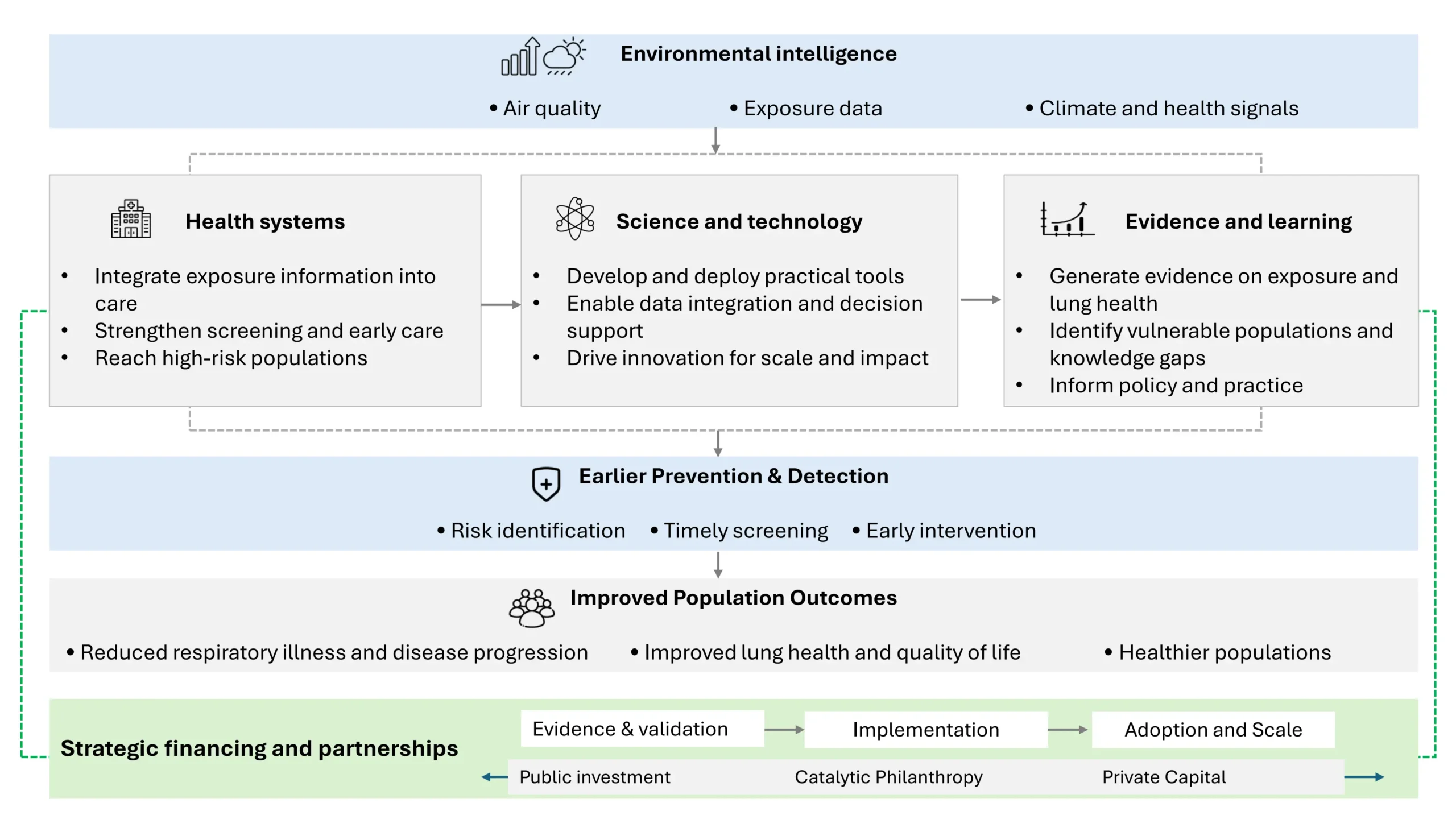
Figure 1. From Environmental Intelligence to Population Outcomes: A Framework for Shared Action
Financing and partnerships are a crucial enabler that support solutions across the continuum from generating evidence on pollution exposure and long-term respiratory outcomes; clinically validating affordable lung health assessment tools; piloting integrated screening approaches in high-exposure communities; and linking environmental data with health records to identify populations at risk. Funding is also needed to evaluate these approaches in real-world settings, integrate them into primary healthcare and public health programmes, and generate the evidence required for wider adoption and scale.
Solutions at the intersection of air pollution and lung health often span multiple sectors, while funding is frequently organised around separate environmental, climate, health and innovation priorities. Necessitating the need for flexible financing mechanisms that can complement traditional funding approaches by aligning capital with the varying risk profiles and maturity of solutions. Blended finance, challenge funds, strategic innovation partnerships and results-based financing can support different stages of development and implementation while linking investment to measurable public health and environmental co-benefits. Within this ecosystem, catalytic philanthropy can play a distinctive role by absorbing early-stage risks, providing patient capital for implementation research and community pilots in underserved areas, and convening stakeholders across traditionally siloed sectors. More broadly, the convergence of environmental intelligence, scientific innovation and respiratory healthcare represents an essential opportunity for India to translate advances in monitoring, risk assessment and evidence generation into more timely and effective health responses, ultimately strengthening lung health and improving respiratory health outcomes across populations.
References / Additional Reading:
- State of Global Air Report 2024 | State of Global Air. (n.d.). State of Global Air. https://www.stateofglobalair.org/resources/archived/state-global-air-report-2024
- Romanello M, Walawender M, Hsu S et al. The 2025 report of the Lancet Countdown on health and climate change: climat change action offers a lifeline, The Lancet, 2025; 406, 2804-2857
- Koul PA, Saydain G. Beyond the prescription: Addressing socio-clinical determinants of asthma care in India. Indian J Med Res. 2026;163(5):565–568. doi:10.2525/IJMR_1285_2026.
- Gupte AN, Paradkar M, Selvaraju S, et al. Assessment of lung function in successfully treated tuberculosis reveals high burden of ventilatory defects and COPD. PLoS One. 2019;14(5):e0217289. doi:10.1371/journal.pone.0217289
- Christopher, D. J., Orme, A. M., Solomon, D. S., Gowri, K., Arunachalam, A., & Thangakunam, B. (2020). Prevalence of airflow obstruction as measured by spirometry, in rural southern Indian adults. Chronic Respiratory Disease, 17, 1479973120908552. https://doi.org/10.1177/1479973120908552
- Ghosh, B., De, A., Seth, M., Ghosh, K., Sarkar, O., Das, S., Mondal, S., Ali, D., De, M., Sultana, R., Das, D., & Padhy, P. K. (2025). Evaluating the national burden of PM2.5 in India: a comprehensive study of spatiotemporal distribution at state and city levels, non-carcinogenic health hazards, and premature mortality. Environmental monitoring and assessment, 198(1), https://doi.org/10.1007/s10661-025-14860-3
- University of Chicago, & Greenstone, M. (2023). India Fact Sheet. In University of Chicago [Report]. http://aqli.epic.uchicago.edu/files/India%20FactSheet_2025_GlobalWV.pdf
- Pandey A, Brauer M, Cropper M et al. Health and economic impact of air pollution in the states of India: the Global Burden of Disease Study 2019 The Lancet Planetary Health, 2020; 5, e25-e38
- Puja Das. (2026b, January 29). Tackling air pollution could deliver $220 billion economic boost for India, study finds. Down to Earth. https://www.downtoearth.org.in/pollution/tackling-air-pollution-could-deliver-220-billion-economic-boost-for-india-study-finds
- India State-Level Disease Burden Initiative Air Pollution Collaborators (2021). Health and economic impact of air pollution in the states of India: the Global Burden of Disease Study 2019. The Lancet. Planetary health, 5(1), e25–e38. https://doi.org/10.1016/S2542-5196(20)30298-9
- State of Global Air Report 2024 | State of Global Air. (n.d.-b). State of Global Air. https://www.stateofglobalair.org/resources/archived/state-global-air-report-2024
- Global Burden of Disease Study 2021 (GBD 2021) Data Resources | GHDX. (n.d.). https://ghdx.healthdata.org/gbd-2021
- NOADS Mobile App Operational Guidelines. (n.d.). https://ncdc.mohfw.gov.in/uploads/pdf/Mobile_Application_User_Manual.pdf
- National Centre for Disease Control & Government of India. (2022). State action Plan on climate change and human health 2022-27. https://ncdc.mohfw.gov.in/wp-content/uploads/2025/01/14_SAPCCHH_Kerala_21-10-24.pdf
- Operational Guidelines for SWAAS Clinics, Kerala. (n.d.). Retrieved June 17, 2026, from https://dhs.kerala.gov.in/wp-content/uploads/2022/11/SWAAS-Operational-Guideline-SWAAS1.pdf
- NPCCHH Newsletter Jul – Sept 2021. (n.d.). In NPCCHH. NCDC. https://ncdc.mohfw.gov.in/uploads/newsletter/1771576753_8th.pdf
- https://indiachest.org/wp-content/uploads/2020/05/spirometry-guidelines-ics-nccp-2018.pdf
- https://www.ijcmph.com/index.php/ijcmph/article/view/4826
- Centre for Science and Environment. Status of air quality monitoring in India: Spatial spread, gaps and impacts. New Delhi: CSE; 2023. Available from: https://www.cseindia.org/Note-AQM-Network-analysis.pdf
Author:
Dr. Aishwarya Aiyar
Senior Associate – Portfolio, Inadia Health Fund
Publication Date: 26th October 2026