
Transforming Urban Dengue Response using Data-Driven and Predictive Intelligence Surveillance Systems
Problem
India reports nearly one-third of the global dengue burden. A major vector-borne public health threat, climate change further exacerbates its spread. Rising temperatures and humidity accelerate the breeding and survival of dengue vectors driving outbreaks beyond traditional hotspots into new geographies. Geospatial analysis from 2022–24 has shown emerging hotspots in previously low-incidence areas, with Karnataka being a major hotspot. This presents a significant opportunity to strengthen predictive and tech- enabled vector borne disease control in India, offering a pathway to a more resilient and coordinated public health response.
ARTPARK at the Indian Institute of Science (IISc) has developed SHIELD (Surveillance and Health Intelligence for Equitable Local Dengue Response) — a pioneering predictive and preventive dengue control platform harnessing advanced AI.
Despite the promising pilot of the AI-powered outbreak risk prediction engine, significant gap remains in its application. SHIELD’s full impact is limited by weak integration into government workflows and understaffed frontline operations constrained in granular data collection.


Solution
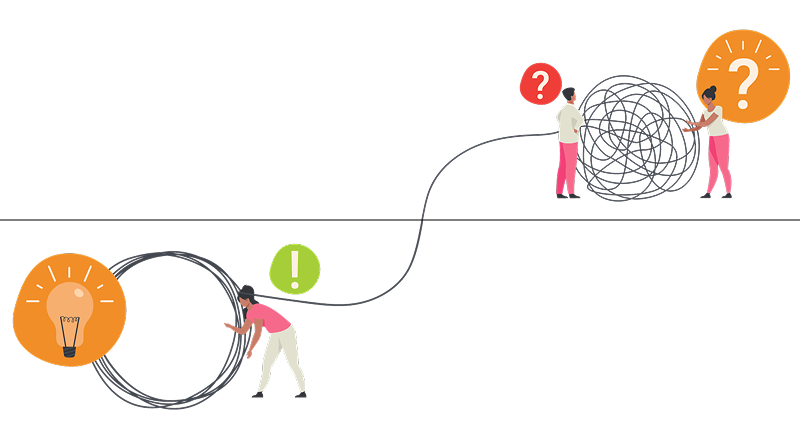
To address the urgent challenge of rising dengue fever and unlock SHIELD’s transformative potential, IHF in collaboration with AVPN and Bayer Foundation, is partnering with William J Clinton Foundation (WJCF) to embed AI-driven risk intelligence system within local, district, and state health planning systems to facilitate proactive, precision-targeted vector control.
The project is designed to be a scalable, participative public health model. The aim is to enable ward-level implementation, successful integration of SHIELD’s PRISM-H app with government vector control dashboards (at both state and central levels) as well as validating and testing its risk prediction engine on-fields. Pilot implementation will be executed to institutionalize a predictive surveillance model by embedding a Technical Support Unit (TSU) within Bengaluru’s Bruhat Bengaluru Mahanagara Palike (BBMP) for accurate vector-borne disease (VBD) prediction.
The project will test tech-enabled Larvae Source Management, combining predictive insights with citizen engagement and Rapid Response Teams to disrupt mosquito breeding to enhance surveillance and care delivery along with developing a replicable public-private partnership model.
William J. Clinton Foundation (WJCF), with its deep expertise in strengthening government health systems, will act as a vital systems enabler. IHF is supporting SHIELD to catalyze the transition from reactive to predictive, tech-enabled dengue control at scale. The project is designed for phased scale-up i.e. validating impact in Bangalore’s 225 wards, expanding integration across Karnataka’s state health ecosystem. IHF will help establish a scalable, institutionalized model that integrates cutting-edge surveillance technology within public health systems, setting a precedent for the adoption of similar innovations nationwide. This project not only promises to reduce dengue burden in Bengaluru but also serves as a replicable framework for other high-risk Indian cities and low- and middle-income countries.